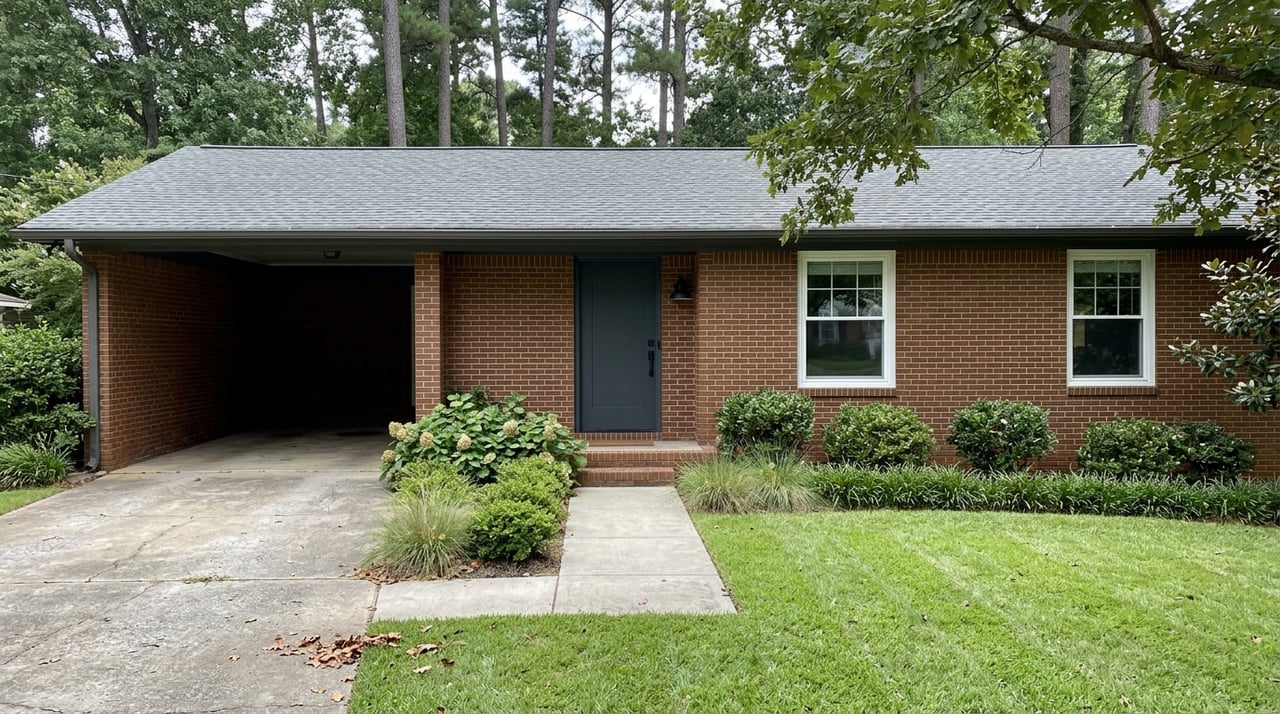
If you are thinking about buying a rental property near Harbison, you are probably asking a simple question: Will the numbers and the location work together? That is a smart place to start. In St. Andrews and the Harbison area, you have a renter-supported market, a commuter-friendly location, and a mix of property types that can appeal to different tenants. This guide will help you understand local rent benchmarks, property options, and the due diligence steps that matter most before you make an offer. Let’s dive in.
Why Harbison draws rental demand
St. Andrews shows signs of steady renter demand. Census QuickFacts reports an owner-occupied housing unit rate of 28.9%, which points to a large share of households living in rental housing. The same source shows a median gross rent of $1,088, median household income of $46,511, and a mean commute time of 21.8 minutes.
That commuter profile matters when you are evaluating rental potential. Many renters want a location that keeps daily travel manageable while still offering convenient access to shopping, services, and recreation. Harbison benefits from that kind of practical appeal.
The area also has a more established layout than many suburban rental pockets. The Harbison Community Association describes it as a planned unit development of more than 1,700 acres with housing, employment acreage, shopping areas, playgrounds, a community center, and other community features. Harbison State Forest adds another point of interest, with 2,176 acres and more than 30 miles of roads and trails about nine miles from downtown Columbia.
Rent benchmarks to know
Before you run projections, it helps to separate benchmark rent from current asking rent. A benchmark gives you a conservative floor for underwriting. Asking rents show what the market is currently trying to achieve.
HUD’s FY 2026 Columbia HMFA schedule, which includes Richland County, sets the 2-bedroom Fair Market Rent at $1,276 gross rent. HUD defines that as shelter plus tenant-paid utilities, excluding telephone, cable or satellite, and internet. For investors, that can be a useful baseline rather than an aggressive best-case number.
Current asking rents in the broader Columbia market sit somewhat higher. Apartments.com shows average Columbia rents of $1,356 for 2-bedroom apartments, $1,651 for 3-bedroom apartments, and $1,926 for 3-bedroom townhomes. In St. Andrews, visible rental listings show several 3-bedroom houses in the mid-$1,500s to mid-$1,600s, along with a few higher and lower examples.
A local condo sample on Harbison Boulevard is listed at $1,250 per month for a 2-bedroom, 2-bath unit with about 1,100 square feet. That gives you a useful real-world comparison point for attached housing in the immediate area. It also shows why property type matters so much when you estimate rent.
What the price-to-rent math suggests
Richland County’s median sale price is $270,000, which gives you a broad acquisition baseline. Using that number, a property renting for $1,650 per month would produce a rough gross yield of about 7.3% before expenses. Using HUD’s $1,276 benchmark, the rough gross yield is closer to 5.7%.
Those numbers are not cash flow. They are a starting point. Still, they can help you compare opportunities quickly and avoid chasing a property that only works if everything goes perfectly.
A simple way to think about it is this: the closer your projected rent is to the stronger end of local comps, the more important it becomes to confirm condition, layout, competition, and HOA details. Small mistakes in your assumptions can have a big effect on returns.
Property types that may fit this area
Single-family homes
Single-family homes can make sense near Harbison if you want broader tenant appeal and more flexible positioning. In the St. Andrews sample, several 3-bedroom homes are listed in the mid-$1,500s to mid-$1,600s. That suggests updated houses with functional layouts may command more than the area’s median gross rent.
These properties can also offer advantages that renters notice right away, such as more interior space, private outdoor areas, and simpler parking arrangements. From an investor’s standpoint, the tradeoff is often a higher purchase price and potentially more maintenance responsibility.
Best use case for single-family rentals
If your goal is to target tenants looking for extra space and a more traditional home setup, a 3-bedroom house may be worth a closer look. You will want to compare each home’s condition, age, updates, and location within St. Andrews carefully. Rent potential can shift meaningfully based on those details.
Townhomes and condos
Attached homes are a natural fit in Harbison because the area already has condo and townhome inventory tied to convenience-oriented demand. A local 2-bedroom condo example is listed at $1,250 per month, while the broader Columbia average for a 3-bedroom townhome is $1,926. That range shows there can be opportunity, but the math is highly property-specific.
The big caution here is HOA cost and control. Monthly dues can materially change net income, and association rules may affect how and when you can lease the unit. That means a condo with a strong headline rent can still underperform if the expense structure is not favorable.
Best use case for attached rentals
Condos and townhomes can fit investors who want lower exterior maintenance responsibility or who prefer a property near retail and daily conveniences. Harbison Boulevard access, nearby shopping, and established community infrastructure may help these units stay relevant to renters. Just be careful not to judge the opportunity by rent alone.
Why HOA diligence matters here
In Harbison and St. Andrews, HOA review is not a side task. It is part of the core investment analysis. South Carolina law provides that HOA governing documents must be recorded to be enforceable, and rules and regulations must be accessible to members.
For condos, the South Carolina Horizontal Property Act says the master deed must identify the common elements, may include lease restrictions, and that bylaws govern administration and shared expenses. In plain language, that means your ability to rent the property and your monthly ownership costs may both be shaped by the association documents.
The Harbison Community Association also says it administers and enforces covenants, restrictions, easements, and charges. That should tell you something important: if you are buying in this area, you need to understand the rules before you commit.
HOA questions to answer before you buy
Use this checklist before writing an offer or during your due diligence period:
- Are there rental caps in the community?
- Is there a minimum lease term?
- Does the association require tenant or lease approval?
- What are the current monthly dues?
- Have there been special assessments?
- What does the reserve funding look like?
- Do tenant residents get access to community amenities?
- Are there any restrictions that could limit your rental strategy?
One detail is especially relevant in Harbison. The Harbison Community Association states that resident renters whose landlords are current on assessments can use the Community Center facilities without charge. That may improve tenant appeal, but only if the owner stays current and the property qualifies under association rules.
Build your cash-flow estimate the right way
A lot of investors make the same mistake. They focus on the purchase price and the expected rent, then stop there. In a neighborhood with HOA involvement, that shortcut can lead to bad decisions.
A better monthly cash-flow estimate should include:
- Mortgage payment
- Property taxes
- Insurance
- HOA dues
- Vacancy allowance
- Maintenance
- Property management
- Utilities you may cover
- Reserve funds for repairs and turnover
This is where conservative underwriting helps. If a property still looks workable after you include all of those costs, you are evaluating a stronger opportunity. If the deal only works when every line item is minimized, it may not be as solid as it first appears.
A practical way to compare opportunities
When you evaluate rental property near Harbison, try using the same framework for every listing. That keeps emotion out of the process and makes side-by-side comparisons easier. It also helps you spot when a lower-priced property may be more attractive than a property with a slightly higher asking rent.
Here is a simple review structure you can use:
| Factor | What to review |
|---|---|
| Rent potential | Compare current asking rents, local samples, and conservative benchmarks |
| Property type | Consider whether a house, condo, or townhome fits your strategy |
| HOA impact | Check dues, lease rules, assessments, and tenant amenity access |
| Location utility | Note access to shopping, services, commuting routes, and local amenities |
| Condition | Estimate updates, maintenance needs, and near-term repair costs |
| Return outlook | Review gross yield first, then calculate true monthly cash flow |
This kind of structure is especially helpful in a mixed inventory area like St. Andrews and Harbison. Not every good rental looks the same on paper.
The bottom line for St. Andrews investors
St. Andrews and the Harbison area offer several traits investors usually like to see: a substantial renter base, practical commuting patterns, a developed local infrastructure, and multiple property types at different price and rent points. There is enough variety here to create opportunity, especially if you are open to comparing single-family homes with condos and townhomes.
The key is to stay disciplined. Rent benchmarks, HOA documents, dues, and lease restrictions can all change the real return. If you take a patient, numbers-first approach, you will be in a much better position to identify properties that fit your goals instead of just looking promising at first glance.
If you want a local, low-pressure perspective on buying rental property in St. Andrews or near Harbison, connect with Phillip Jenkins. With decades of Northwest Columbia market experience, he can help you evaluate neighborhoods, property types, and the details that matter before you buy.
FAQs
What makes Harbison a potential rental market in St. Andrews?
- St. Andrews has a 28.9% owner-occupied housing rate, which suggests a large renter presence, and Harbison adds commuter convenience, shopping access, and established community infrastructure.
What rent benchmark should investors use for Harbison rentals?
- A useful conservative benchmark is HUD’s FY 2026 2-bedroom Fair Market Rent of $1,276 for the Columbia HMFA, while current asking rents in the broader Columbia market may run higher.
What property type works best for rental investing near Harbison?
- It depends on your goals, but single-family homes, townhomes, and condos can all work in this area if the rent, expenses, and community rules support the investment.
Why do HOA rules matter for Harbison rental properties?
- HOA dues, lease restrictions, rental caps, approval requirements, and amenity access can directly affect both your monthly cash flow and the property’s appeal to tenants.
What should buyers review before purchasing a rental in St. Andrews?
- You should review projected rent, purchase price, taxes, insurance, HOA dues, lease rules, maintenance needs, vacancy assumptions, and reserve funding before moving forward.