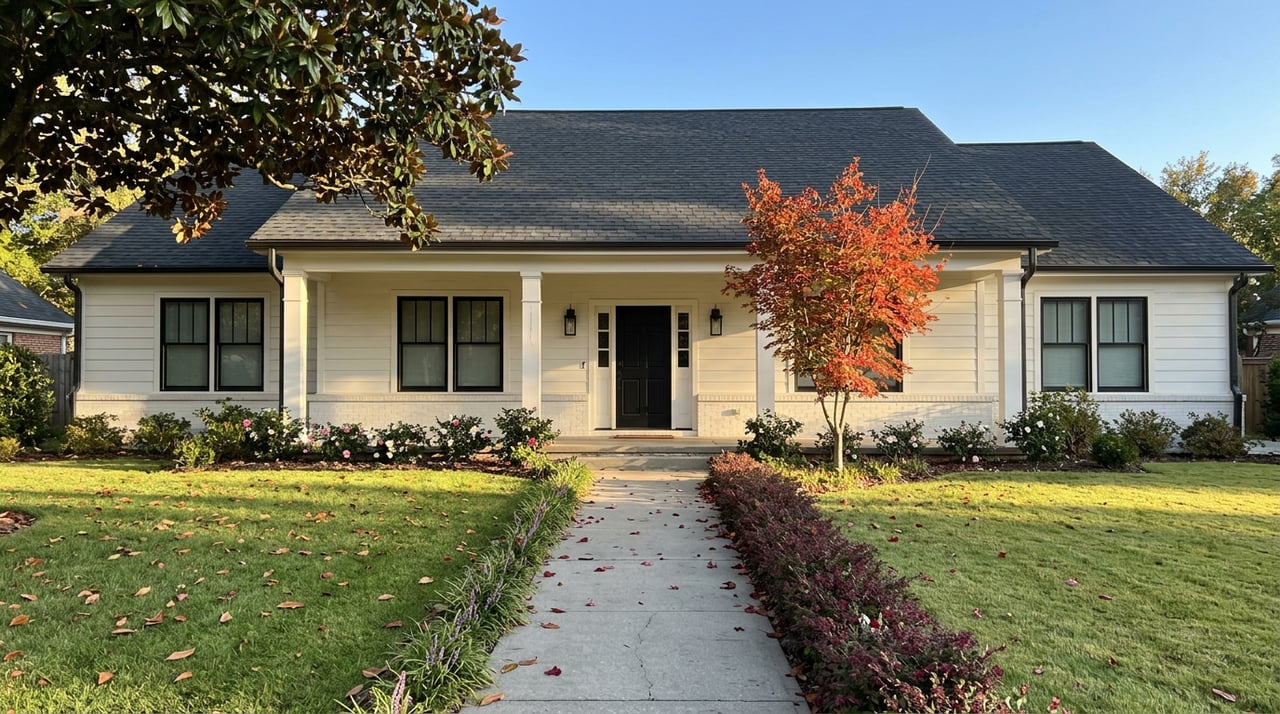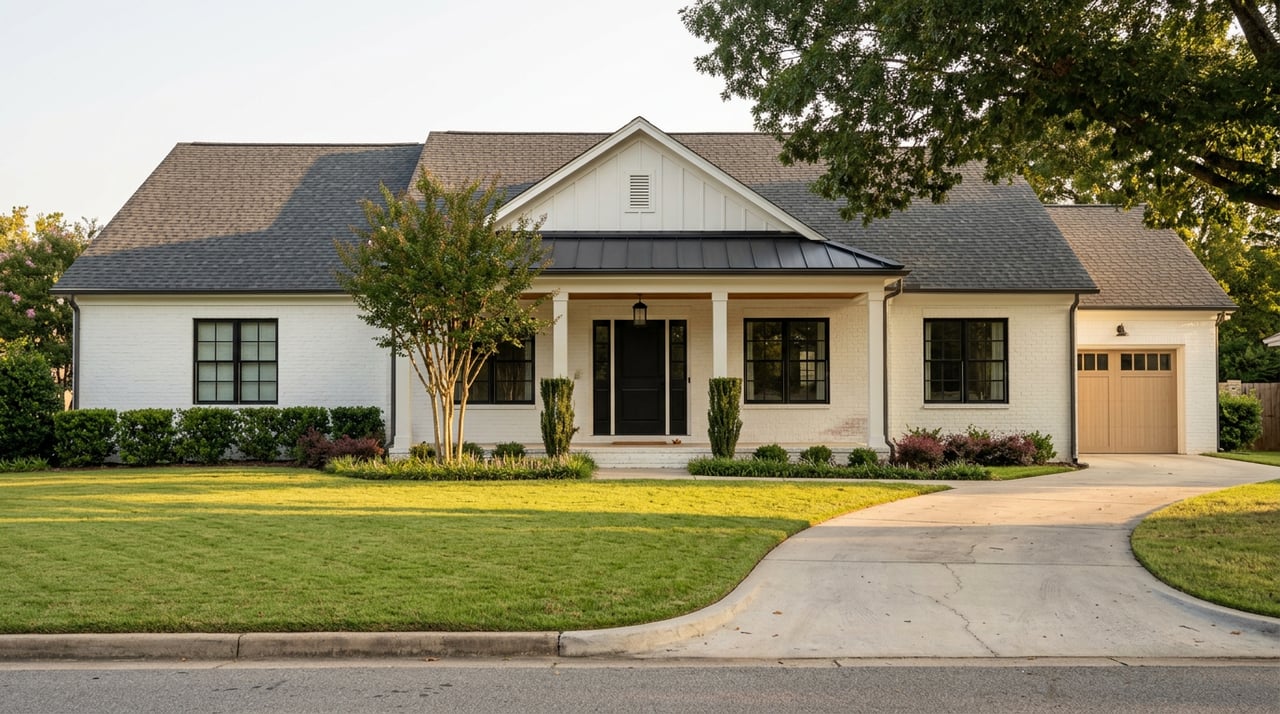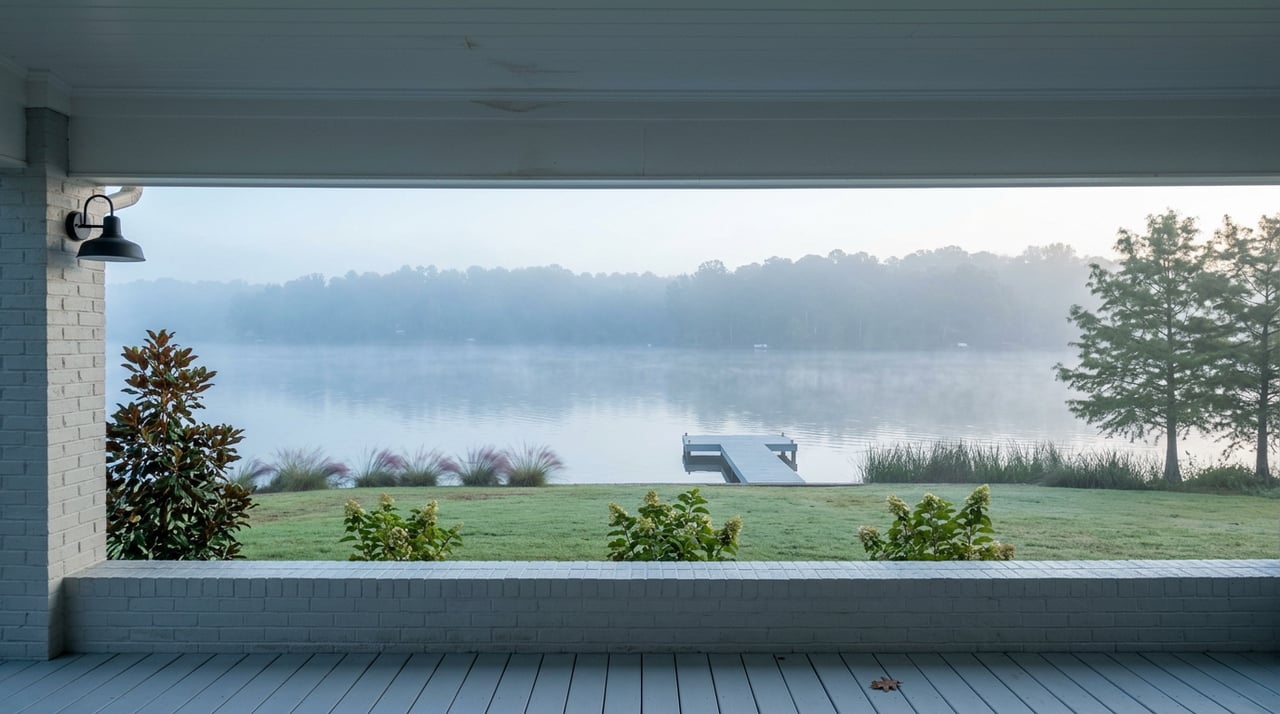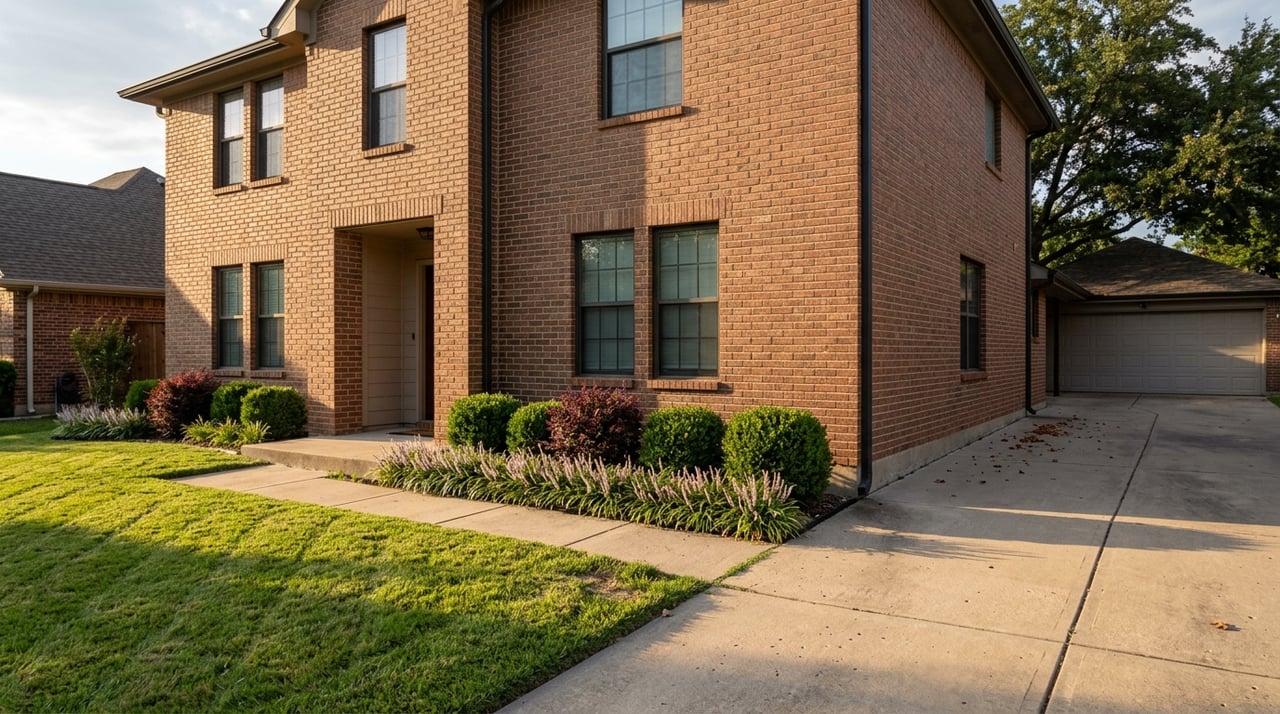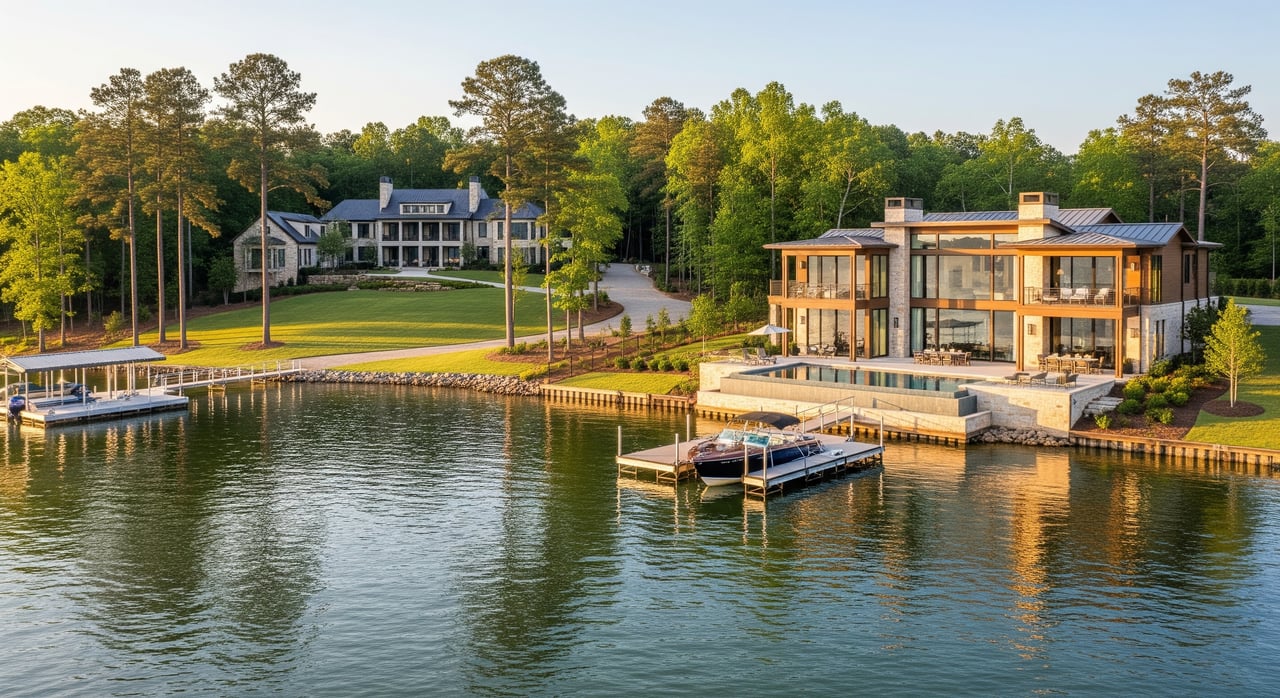
Are you torn between a true lakefront home on Lake Murray and a nearby off‑water place in Irmo or Dutch Fork? You want the water lifestyle, but you also want to protect your budget and time. This guide lays out what you gain and what you give up in each option, from price drivers and maintenance to inspections and resale. Let’s dive in.
Lakefront vs off‑water at a glance
- Lakefront gives you direct water access, wide views, and a private dock where permitted. You trade for higher purchase price and ongoing upkeep.
- Off‑water near the lake costs less to buy and maintain. You trade away a private shoreline but keep quick access to ramps, marinas, and lakeside amenities.
- The best fit depends on how you value everyday use, budget flexibility, and long‑term plans.
What drives the lakefront premium
True lakefront properties typically carry a premium per finished square foot compared to nearby off‑water homes. The size of that premium varies by several factors:
- Depth at the shoreline and type of access, such as a private dock or boat lift.
- View quality, such as unobstructed long views versus a smaller cove or seasonal view.
- Lot size and setting, including privacy and how much boat traffic passes by.
- Nearby amenities, like marinas and lakeside dining.
Because Lake Murray has a mix of open water and protected coves, premiums can change from one shoreline pocket to the next. The most reliable approach is to compare recent sales in the specific area you’re considering.
How to compare prices the right way
- Pull two sets of recent closed sales for the last 6 to 12 months: 6 to 12 true lakefront sales in the Irmo and Lake Murray shoreline pockets, and 12 to 20 off‑water sales within a few miles that market near‑lake access.
- Start with median price per finished square foot for each group. Note the range rather than a single number.
- Adjust for differences that affect value. Look at age, condition, lot size, dock type, shoreline improvements like riprap or seawall, and included lifts or guest structures.
- Ask for an apples‑to‑apples comparison on homes that match your size and finish level.
Budget impact examples
- Hypothetical example only: If a lakefront premium absorbs part of your budget, you may trade interior square footage, a bonus room, or certain finish upgrades to keep the same overall spend.
- Hypothetical example only: If off‑water prices let you stretch, you might gain a larger yard, newer systems, or an updated kitchen at the same budget.
These are illustrations. The actual difference depends on current local comps and the specific shoreline features of each property.
Lifestyle differences you will feel
Lakefront advantages
- Direct access for boating, fishing, and swimming from your property when allowed.
- Water views and rear‑lot privacy that many buyers value.
- A sense of place that comes with living on the shoreline.
Off‑water near‑lake advantages
- Lower purchase price and lower carrying costs while staying minutes from ramps, marinas, and lakeside spots.
- Easier everyday living in some locations, with fewer mosquitos on certain lots and less noise or light from lake activity.
- Simpler maintenance and often more predictable utilities and landscaping.
Tradeoffs to consider
- Noise and wake: Weekends and holidays can bring more boat traffic in some areas.
- Privacy: Neighboring docks and recreation can affect solitude.
- Seasonal patterns: Busier summers and quieter winters change how you use outdoor space.
- Water quality events: Algae and sediment can affect aesthetics at times.
Access, rules, and what to verify
Before you fall in love with a view, confirm the details that shape daily use and value:
- Dock status: Private vs shared dock, deeded access, and riparian rights. Confirm what is included in the sale.
- Water depth: Check depth at the dock and any seasonal variation that could limit boat size.
- Proximity to ramps and marinas: If you do not have a private dock, quick access matters.
- Local rules: Review jet ski, speed zones, and wake restrictions through the South Carolina Department of Natural Resources. For any shoreline work, consult South Carolina DHEC guidance on permits.
Carrying costs and risk factors
Lakefront homes usually have higher ongoing costs than off‑water homes near Lake Murray. Plan for:
- Insurance: If a parcel sits in a FEMA special flood hazard area, a lender may require flood insurance. Premiums depend on elevation, foundation, and past claims. Wind and homeowner policies can also cost more on exposed waterfront.
- Property taxes: Waterfront land often assesses higher because of land value. Rates and assessments differ by county and municipal boundaries.
- Docks and shoreline: Expect periodic maintenance and eventual repair or replacement of docks, lifts, and seawalls.
- Septic and wells: Some older shoreline properties use septic and private wells. Budget for inspections, pumping, testing, and potential repairs.
- Permits and compliance: Shoreline work such as docks, riprap, or bulkheads may require permits. Review state and county guidelines before you plan improvements.
Buyer due diligence checklist
- Dock and lift: Structural inspection, age, and condition.
- Shoreline: Erosion history, bulkhead or seawall condition.
- Utilities: Septic inspection with records, well testing if applicable.
- Flood status: Verify FEMA flood zone and obtain any available elevation certificate.
- Title and rights: Confirm riparian rights, easements, and any community dock agreements.
- Insurance: Get quotes for homeowner, wind/hail, and flood before you finalize.
- Appraisal: Ensure your lender uses an appraiser experienced with local waterfront comps.
Resale and appraisals
Lakefront homes attract a strong but more specific buyer segment. Off‑water homes typically appeal to a broader pool and may sell more quickly in larger markets.
- With fewer direct comps, waterfront appraisals can be sensitive to one or two sales. That can affect lending and negotiations.
- In a slower market, unique waterfront properties can take longer to sell and may see larger pricing adjustments than mid‑priced off‑water homes.
- Features that help resale: a properly permitted private dock, documented shoreline stabilization, and well‑kept water access.
Sellers should gather permits, inspections, and maintenance records for docks and shoreline. Buyers should plan for higher insurance and taxes, and insist on comps with similar water access.
Choosing your best fit in Irmo and Dutch Fork
The Irmo and Dutch Fork area spans parts of Richland and Lexington counties. County lines can affect property taxes, school district assignments, and which office oversees dock and shoreline permits. Always verify the county, parcel data, and local rules for the address you are considering.
When comparing neighborhoods near Lake Murray:
- Identify the shoreline type you prefer, such as wide water with long views or a protected cove with calmer water.
- If you are off‑water, map your drive time to preferred public ramps and marinas.
- Decide how much weekend boat activity you want nearby.
- Weigh your appetite for maintenance against how often you plan to be on the water.
A clear checklist and the right comps will help you decide quickly and with confidence.
Ready to compare homes one‑to‑one?
If you want a clean, local comparison of true lakefront vs off‑water near Lake Murray, ask for recent Irmo and Dutch Fork comps that match your target size and finish. You will see exactly what you trade in space, features, carrying costs, and resale potential.
For patient, neighborhood‑specific guidance backed by decades of local experience, connect with Phillip Jenkins. We will walk you through the data, the due diligence, and the decision at your pace.
FAQs
Do I need flood insurance for Lake Murray lakefront homes?
- If a home is in a FEMA‑mapped special flood hazard area, a lender may require flood insurance. Premiums vary by elevation, foundation, and any past claims, so get quotes before you finalize.
How do dock permits and shoreline rights work on Lake Murray?
- Confirm whether the dock is private or shared, review permits, and verify riparian rights and easements in the title work. Some shoreline projects require state and county permits, so review those records early.
What if I buy off‑water near the lake without a dock?
- Many buyers use nearby public ramps and marinas for access. Proximity matters, so include drive time to your preferred launch points when you compare neighborhoods.
How are waterfront appraisals handled in Irmo and Dutch Fork?
- Appraisals rely on recent comparable waterfront sales. Ask your lender to use an appraiser with local waterfront experience, and be prepared for more review when comps are limited.
What inspections are most important for older shoreline properties?
- In addition to a general home inspection, prioritize dock and lift inspections, shoreline erosion review, septic evaluation, well testing if applicable, and a check of permits and flood zone status.