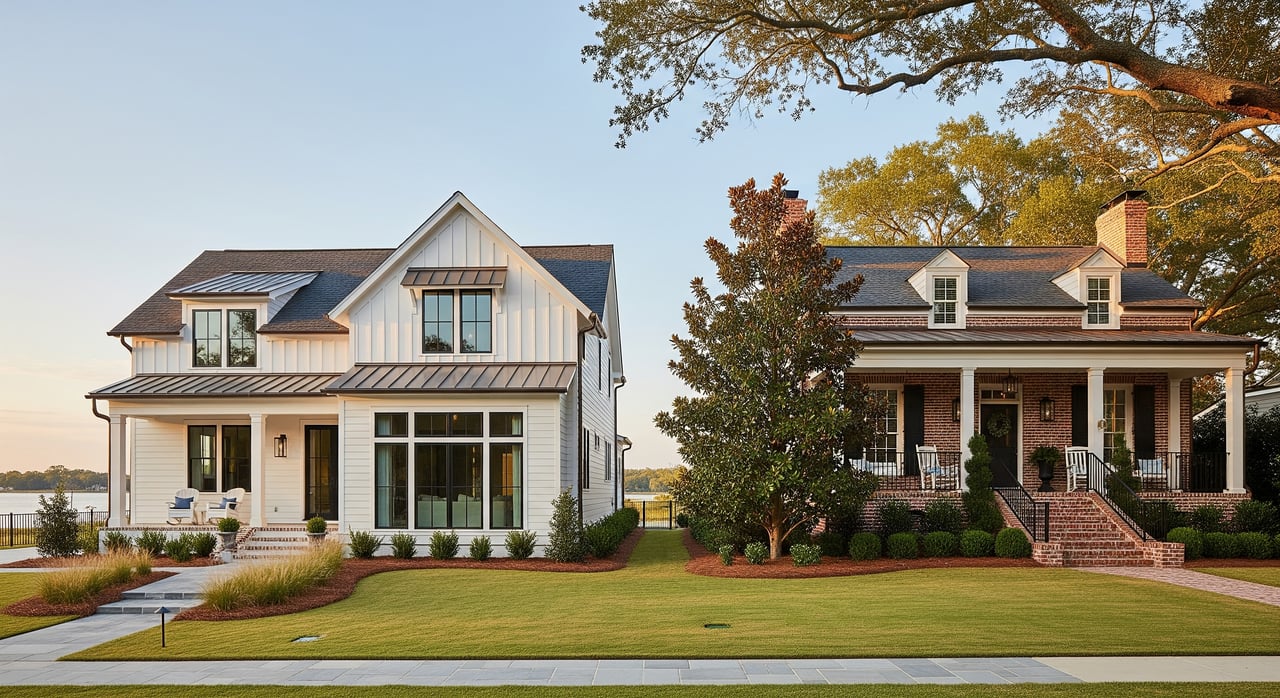
Are you weighing a shiny new build against a well-kept resale in Irmo? You are not alone. Many buyers here want short drives to shopping while also staying close to Lake Murray for weekend fun. In this guide, you will compare timelines, costs, inspections, and the neighborhood trade-offs that matter most in Irmo and Dutch Fork. Let’s dive in.
How Irmo’s micro-markets map to your lifestyle
Irmo sits northwest of Columbia in the Dutch Fork area and stretches across parts of Lexington and Richland counties. That county line matters for taxes, school zones, and permits, so confirm the county early in your search. The community offers a mix of newer subdivisions and established neighborhoods, all within reach of Lake Murray and major retail.
Convenience to shopping
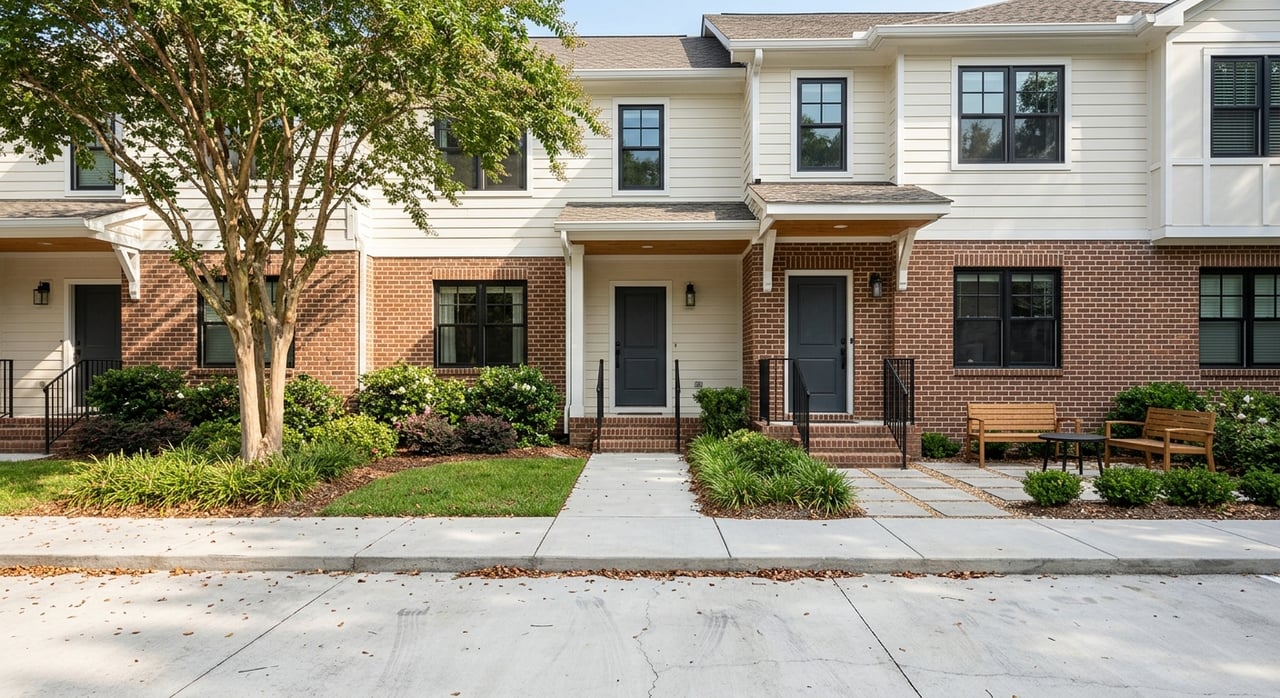
If you value quick errands and shorter commutes toward Columbia, focus on areas near retail corridors like the Harbison and Two Notch nodes and major roads that feed downtown. These spots often include newer townhome communities or smaller-lot single-family neighborhoods. You typically trade larger yards for low-maintenance living, fresh finishes, and closer access to grocery stores and restaurants.
Lake access and recreation
If your weekends revolve around boating and fishing, you will see a premium for homes with lake views, deeded access, or short drives to public ramps and parks. Dreher Island State Park and several Lake Murray access points provide recreation options for many neighborhoods nearby. You will find a mix of older, established lake-area communities and select newer builds on or near the water.
Established suburban enclaves
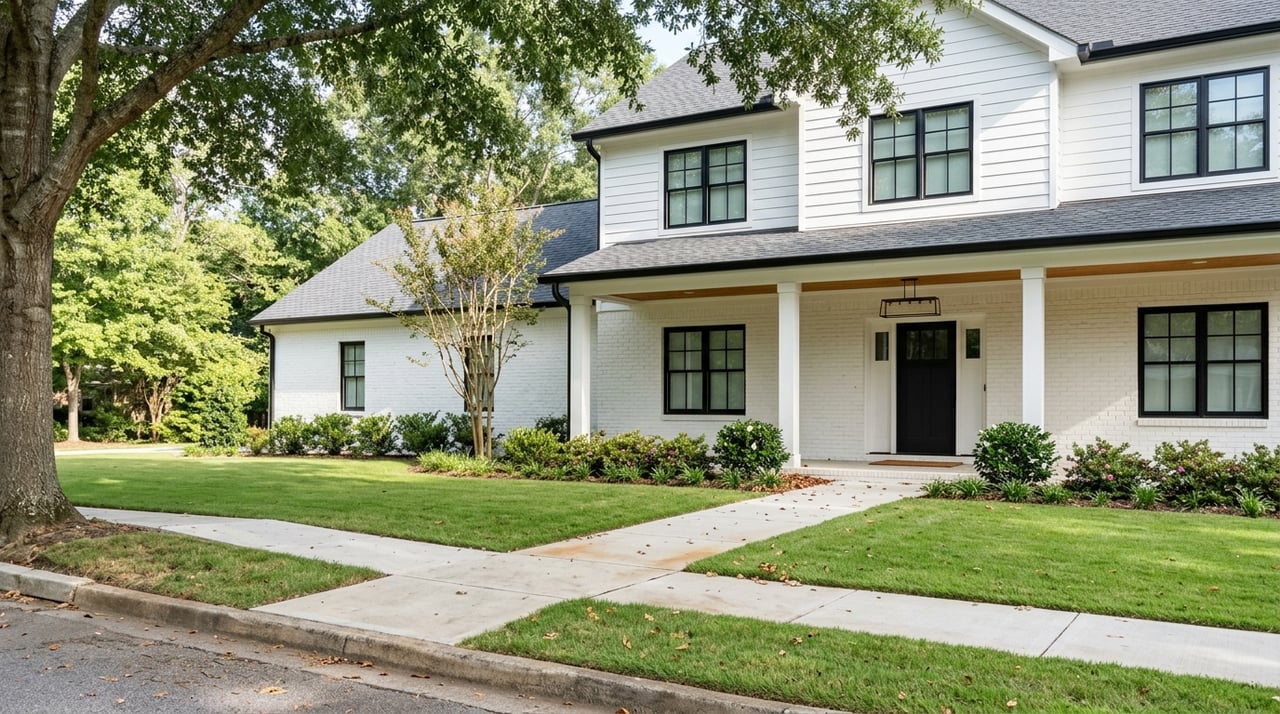
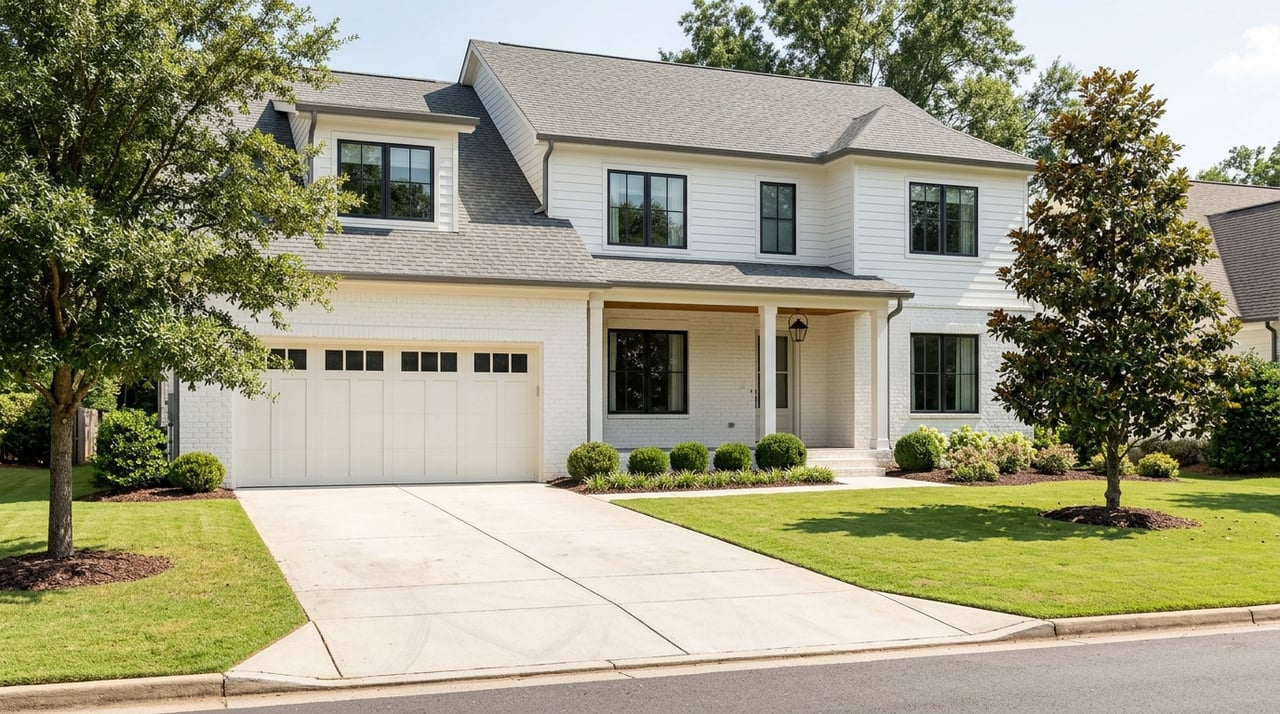
Many Irmo neighborhoods fall into a transitional or established category with mature trees, larger yards, and mostly resale inventory. These homes often deliver outdoor space and neighborhood character. You may need to plan for updates or deferred maintenance, but you gain yard size and a settled community feel.
New construction vs. resale: what to expect
Choosing between new and resale comes down to your timeline, budget, and appetite for maintenance. Below is how they stack up in Irmo and Dutch Fork.
Timelines
- New construction, spec homes: If the home is already framed or finished, you can often close in about 30 to 90 days. Schedule depends on your lender, final inspections, and permits.
- New construction, build-to-order or custom: Expect roughly 6 to 12 months or more, based on builder capacity, lot readiness, weather, and permitting.
- Resale: A typical contract-to-close window for a conventional mortgage runs about 30 to 60 days. Inspection and appraisal timelines are usually shorter than a full new-build schedule.
Price and feature trade-offs
- New construction pros: You get modern open plans, current design styles, energy-efficient systems, and a builder warranty. Immediate maintenance needs are minimal.
- New construction cons: Base prices per square foot can be higher, and upgrades can add up quickly. Lot premiums apply, especially for lakefront, lake-view, or cul-de-sac lots.
- Resale pros: You may unlock a lower price per square foot in some neighborhoods, plus larger lots and mature landscaping. You can often negotiate more on price or concessions depending on the market.
- Resale cons: Plan for updates to kitchens, baths, roofing, HVAC, or windows if needed. Warranty coverage is limited unless the seller provides one.
Financing and incentives
- New construction: Builders frequently offer incentives through preferred lenders, such as closing cost help, mortgage rate buydowns, or upgrade credits. A construction-to-permanent loan may be required for a build-to-order path, while most spec homes qualify for standard financing.
- Resale: Conventional financing options are typical. Depending on market conditions, you may be able to request seller concessions.
HOA and community rules
- New subdivisions: HOAs are often developer-run in the early years. Dues and rules may still be evolving, so review draft covenants and budgets.
- Established neighborhoods: You can examine HOA financials and meeting minutes to understand fee levels, reserves, and enforcement history.
Inspections, disclosures, and warranties in South Carolina
Your due diligence looks different with new builds versus resales. Understanding the process will save time and stress.
Resale disclosures and inspections
South Carolina requires sellers to complete a property condition disclosure. Review it carefully, but always schedule independent inspections. A general home inspection is standard, along with a termite inspection due to climate conditions. If the home uses a septic system or a private well, plan for septic inspections and well water testing. If the home is near the lake or a flood-prone area, check flood zone status and consider flood insurance costs.
New construction inspections and warranties
Most builders allow third-party inspections. At minimum, schedule a final independent home inspection before closing. If possible, add a pre-drywall inspection to review framing, electrical, plumbing, and HVAC rough-ins before walls are sealed. Many builders use a layered warranty model often described as 1 year for workmanship, 2 years for systems, and 10 years for structural items. Always get warranty documents in writing and note coverage, exclusions, and the claim process. Plan an 11-month warranty walk-through to list items before the initial warranty period ends.
Contract items to confirm
- Builder contracts: Confirm your right to third-party inspections, how to schedule site access, the change-order process and fees, the timeline for warranty repairs, and whether third-party contractors can perform repairs.
- Resale contracts: Ensure inspection contingencies and deadlines match your needs. Ask whether the seller is offering a home warranty.
Local specialty concerns
Termites and other wood-destroying organisms require attention in this climate, so budget for inspections and prevention. For properties not on public utilities, check county health department or state guidance for septic and well systems. If the property sits near Lake Murray or in a mapped flood zone, confirm flood risk and insurance requirements early.
Irmo/Dutch Fork trade-offs you will likely face
You will see clear price drivers and lifestyle trade-offs across Irmo. Understanding them helps you align your choice with your priorities.
- Lake proximity: Waterfront and short-drive-to-marina properties carry a premium. The type of access matters, such as direct dock rights, association docks, or public ramps.
- Shopping and commute access: Homes closer to retail nodes and major roads can command convenience premiums. If you value daily convenience, this may be well worth it.
- School zones: Attendance zones that serve Dutch Fork High School influence demand in some neighborhoods. Always verify current zoning and boundaries.
Typical scenarios
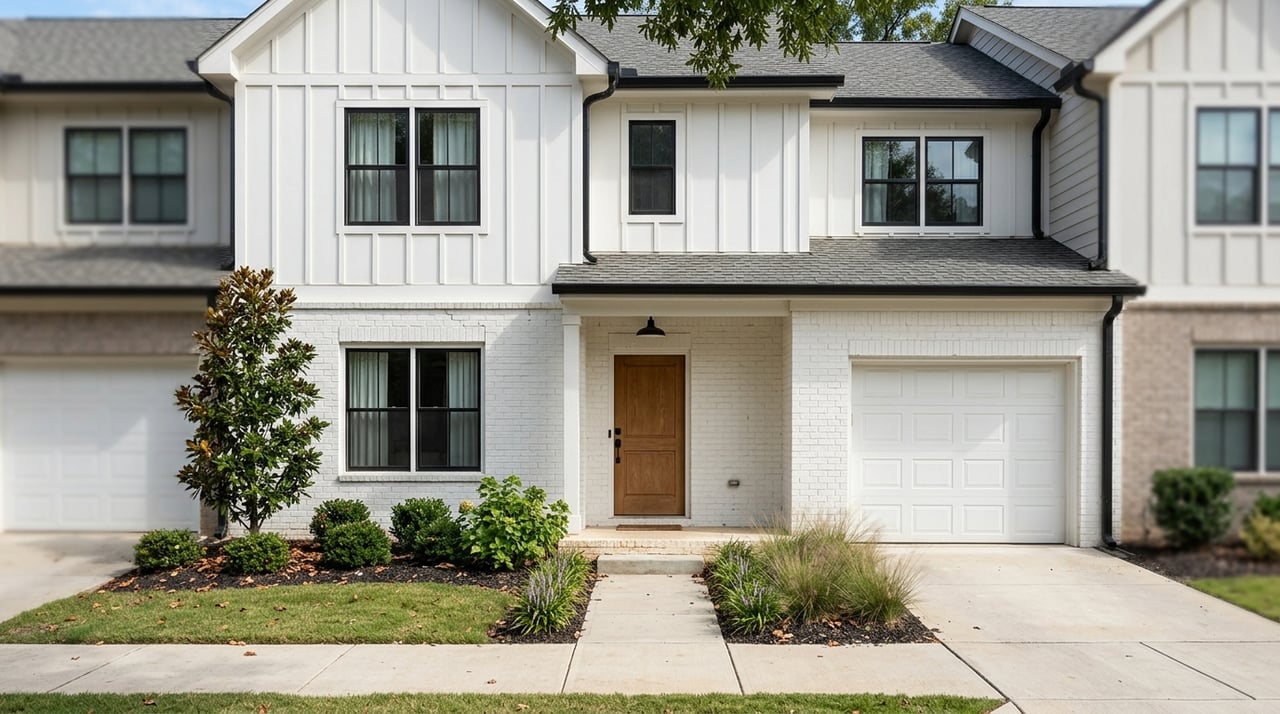
- New construction near shopping: You often find newer townhomes or small-lot single-family homes that prioritize low maintenance and modern floor plans. Expect HOA dues and a focus on convenience.
- Resale near the lake: You typically gain larger lots, mature trees, and outdoor space. Homes may need updates, but you get proximity to the water and a more established setting.
- New construction with water views: True lakefront lots are limited. If available, expect lot premiums and additional steps for docks or shoreline improvements where permitted.
Practical affordability notes
For new construction, budget beyond the base price. Upgrades, lot premiums, landscaping, window coverings, and fencing often sit outside the advertised base. For resales, plan for inspection-identified repairs and updates to big-ticket systems in the first few years. Either way, a buffer for surprise items helps you stay confident.
Buyer checklist: documents, inspections, and questions
Use this section as a ready reference during your search.
Request these documents early
For new construction:
- Builder contract and addenda
- Itemized standard features vs. upgrades
- Construction timeline and inspection schedule
- Detailed warranty documents
- HOA draft covenants and budget
- Recent grading, erosion, drainage, and stormwater plans if applicable
For resale:
- Seller property disclosure
- Recent repair and maintenance invoices
- HOA CC&Rs, budgets, and recent meeting minutes
- Utility bills to estimate operating costs
- Septic and well records if applicable
Essential inspections
New construction:
- Pre-drywall inspection if allowed
- Final independent home inspection
- Termite inspection
- Schedule an 11-month warranty walk-through
Resale:
- General home inspection
- Termite inspection
- Septic and well inspection if applicable
- Roof and attic assessment, HVAC age and condition check
- Flood risk verification
Questions to ask the builder or seller
Builder:
- What is included in the base price, and what are typical upgrade costs?
- Can I conduct independent inspections at multiple phases?
- Who administers the structural warranty, and how do I file a claim?
- For lake lots, what are the policies for docks or shoreline improvements?
Seller:
- How long have you owned the home, and why are you selling?
- What repairs and updates have you completed, and are there receipts?
- Are there any known neighborhood issues, such as drainage or pending assessments?
Costs to confirm before you offer
- Property taxes by county
- HOA dues and reserve fund health
- Utilities and expected operating costs
- Insurance needs, including potential flood insurance for lake-adjacent homes
- Assessment or impact fees in new subdivisions
Negotiation tips
- New construction: Ask for upgrade credits, closing cost assistance, or a mortgage rate buydown rather than a deep cut on the base price. Get every promised item in writing.
- Resale: Use inspection findings to request repairs or credits. Compare recent comparable sales to support your offer.
Which path fits your goals?
Choose new construction if you want modern plans, energy-efficient systems, and a clear warranty roadmap, and you are comfortable with upgrades and possible HOA rules in newer communities. This is a strong fit if you prefer low maintenance and a flexible timeline.
Choose resale if you want a larger lot, established landscaping, or proximity to Lake Murray at a potentially lower price per square foot. This is a strong fit if you are willing to handle updates or renovations and want to close in about 30 to 60 days.
If you are still torn, focus on your top two priorities. Is it daily convenience to shopping, quick closing, and low maintenance? Or is it space, outdoor lifestyle, and water access? Either path can work well in Irmo when you line up the right neighborhood, the right due diligence, and a clear budget for upgrades or repairs.
When you are ready for a calm, expert guide in Irmo, Dutch Fork, and Lake Murray, reach out to Phillip Jenkins. With 34-plus years of hyperlocal experience and 1,600-plus successful transactions, you get steady advice, neighborhood insight, and a plan that puts your goals first.
FAQs
How long does closing take for new vs. resale in Irmo?
- Spec new builds often close in 30 to 90 days; build-to-order can take 6 to 12 months or more. Resales typically close in about 30 to 60 days.
What inspections matter most for Lake Murray–area homes?
- Plan for a general home inspection and termite inspection, plus flood risk checks, and septic or well inspections if the property is not on public utilities.
How do HOA rules differ in new vs. established neighborhoods?
- New subdivisions usually have developer-run HOAs with evolving rules and budgets, while established communities offer a track record of dues, reserves, and enforcement.
Are builder warranties standard for South Carolina new homes?
- Many builders follow a layered model often described as 1 year for workmanship, 2 years for systems, and 10 years for structural coverage, but you should confirm the exact terms in writing.
Why does the county line matter when buying in Irmo?
- Parts of Irmo lie in Lexington County and parts in Richland County, which can affect property taxes, school zones, and permitting. Always verify the county early in your search.